Winter 2021 Newsletter
Lighting a New Fire with Fuel Program
This winter, Burn Design Lab engineers were excited to begin the process of expanding the Improved Shea Roaster fuel options beyond just wood. The process begins with adding the capability for LPG, or Liquid Petroleum Gas, to the design of the roaster. According to the Clean Cooking Alliance, LPG “is a multi-purpose energy with many applications, is portable, and can be used virtually anywhere in the world.” Optimizing the shea roaster for a greater variety of fuels like LPG is increasingly important. Leaders in Ghana are pushing for the use of LPG across the country, as the existing demand for fuelwood is causing devastating deforestation and degradation in countries across West Africa.
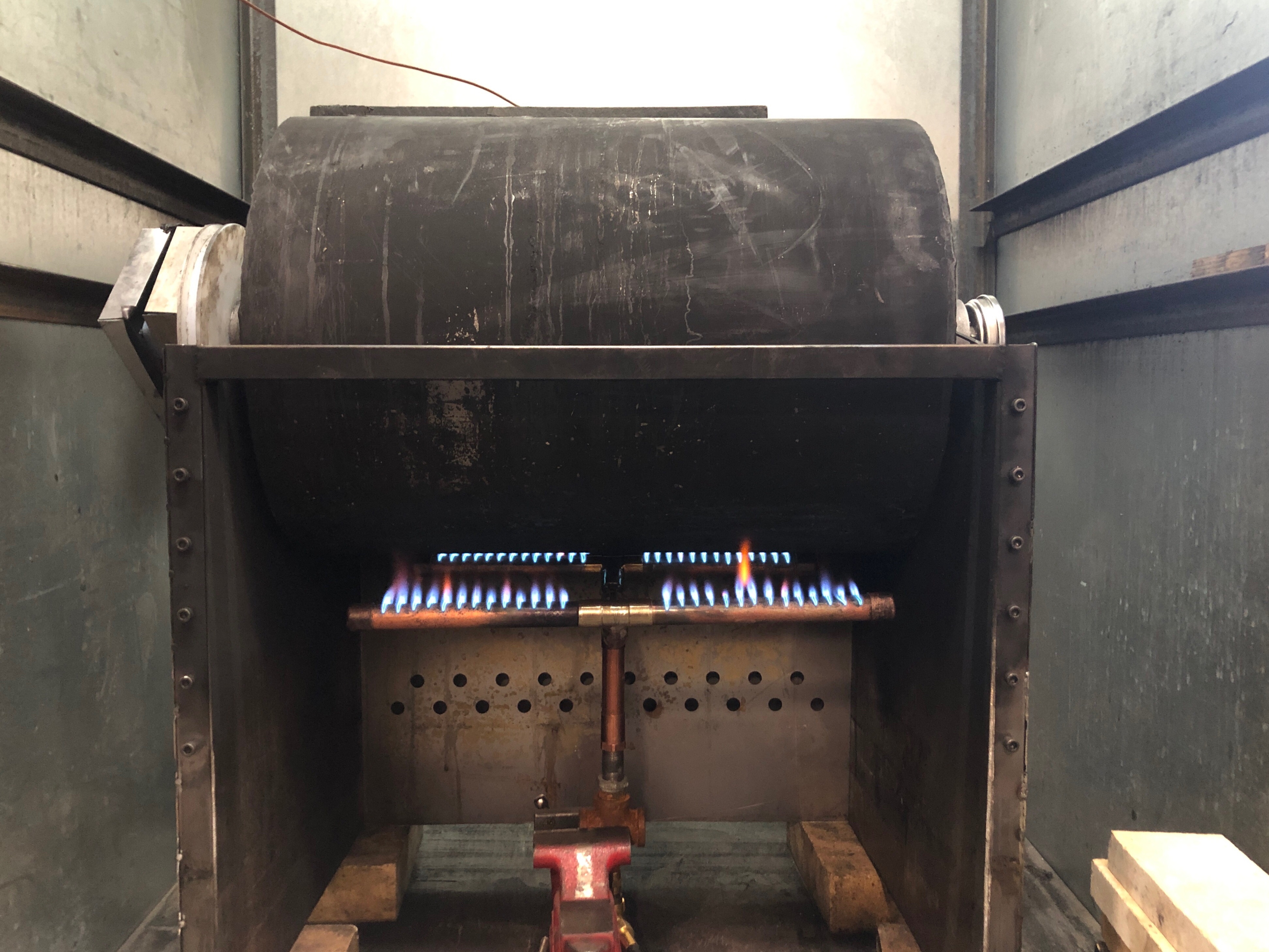
Shea team members Jeremy Su and Louisa Anderson began the LPG integration process by testing several propane burner prototypes. After working with versions created in-house, team members were then able to work with equipment sourced from Charles A. Hones, Inc., a company based in NY specializing in industrial gas burners, lead melting furnaces & heat-treating products. Jeremy and Louisa will continue testing burner systems with the Charles A. Hones equipment, shown to have heating capabilities of 60,000 BTUs. The next steps for the team are to optimize the roaster design and roasting process for time and heat output with the burner apparatus attached. It will be critical to develop a burner system that has the highest efficiency, achieved through a specific gas and air mixing component of the burner.
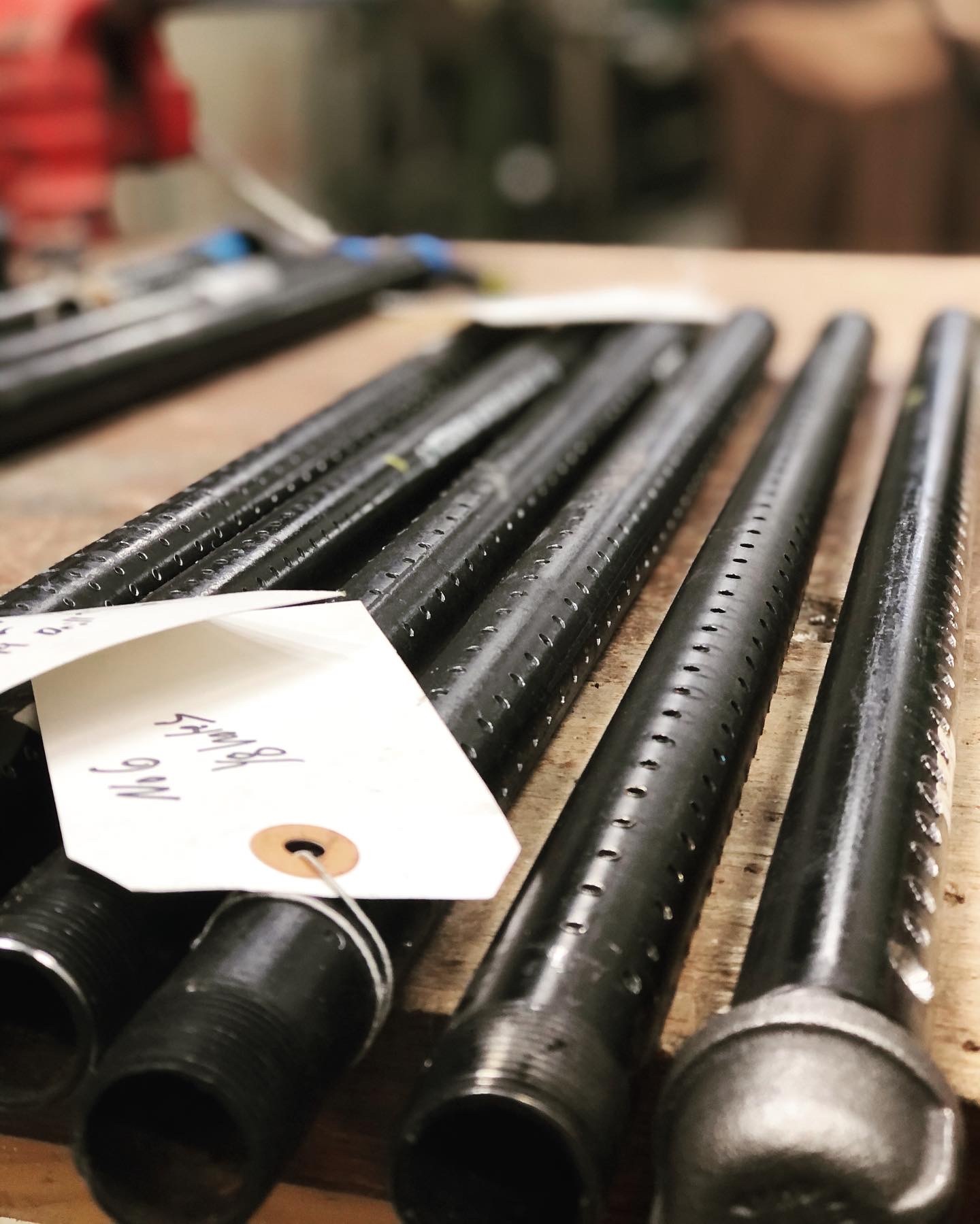
BDL is extremely grateful for the generosity of volunteers and community members for helping kickstart this process. Thank you to volunteer Bryan Willman for manufacturing the testing equipment, and to David Krauter for generously donating a propane burner from Charles A. Hones, Inc.